

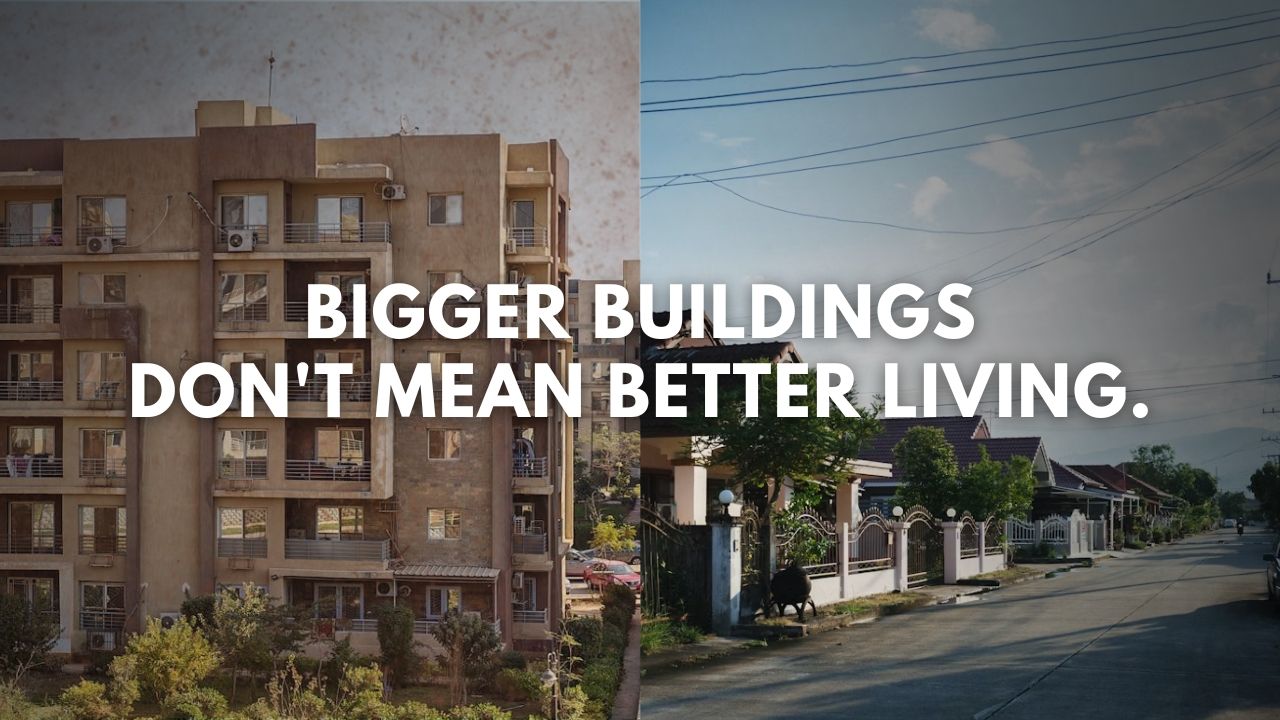

For years, larger residential towers and massive apartment communities were considered signs of progress and modern living. Bigger projects with hundreds of units promised convenience, amenities, and urban sophistication. But today, many homebuyers are beginning to question whether bigger truly means better.
As cities become more crowded and lifestyles more demanding, people are shifting their focus from scale to quality of living. Spacious surroundings, privacy, natural light, and peaceful environments are now valued more than the number of floors in a building. This change is redefining what modern homeowners expect from residential spaces.
The idea that taller buildings automatically create a better lifestyle is gradually losing relevance. Instead, thoughtfully planned communities with balanced density and better living experiences are becoming more desirable.
The Hidden Challenges of Oversized Residential Communities
Large residential developments often appear attractive because of their size and extensive amenities. However, bigger communities can also bring challenges that directly affect everyday comfort.
High-density buildings usually accommodate a large number of residents within limited land space. This often leads to overcrowded parking areas, busy common spaces, elevator delays, traffic congestion inside the community, and overused amenities.
Even well-designed facilities can become difficult to enjoy when shared among too many residents. Swimming pools, gyms, clubhouses, and landscaped areas may feel crowded instead of relaxing.
Over time, residents may begin to feel disconnected from their surroundings despite living in premium-looking developments. The issue is not the building height itself, but the pressure created when too many people share limited infrastructure.
Why Quality of Space Matters More Than Quantity
Modern living is no longer measured only by apartment size or the number of towers in a project. People now value the overall environment around their homes.
A well-planned residential community provides breathing space between buildings, better ventilation, natural sunlight, and open green areas. These elements improve comfort and contribute to physical and mental well-being.
Even homes with similar square footage can feel completely different depending on how the surrounding community is designed. Wide internal roads, landscaped spaces, and lower crowd density create a calmer and more comfortable living experience.
Today’s homeowners are increasingly realizing that true luxury is not about living among thousands of residents, but about enjoying peace, openness, and functionality every day.
Privacy Has Become a Modern Necessity
One of the biggest disadvantages of overcrowded developments is the lack of privacy. Constant movement in corridors, crowded common areas, and noise from neighboring units can affect daily life.
In contrast, communities with balanced density offer quieter surroundings and a greater sense of personal space. Homes feel less intrusive and more peaceful.
This has become especially important as homes now serve multiple purposes. Many people work remotely, study from home, or spend more time indoors than before. A calm environment helps improve focus, productivity, and relaxation.
Privacy is no longer viewed as an optional luxury. It has become an essential part of comfortable urban living.
Better Infrastructure Creates Better Everyday Living
Infrastructure plays a major role in determining the quality of life inside any residential community. In oversized developments, shared systems often experience heavy strain due to the large number of users.
Water supply systems, parking areas, elevators, waste management, and recreational facilities may require constant maintenance and frequent upgrades. Residents can experience delays, overcrowding, and inconsistent access to amenities.
Smaller and thoughtfully planned communities distribute these resources more efficiently. With fewer residents depending on the same facilities, maintenance becomes easier and daily living feels smoother.
This balance improves not only convenience but also the long-term sustainability of the property.
Stronger Communities, Better Connections
Contrary to common belief, smaller residential communities often encourage stronger social connections. When there are fewer families, interactions become more familiar and meaningful.
Neighbors are more likely to recognize each other, children have safer shared spaces to interact, and residents develop a stronger sense of belonging. Community living becomes more personal rather than anonymous.
At the same time, residents still enjoy the privacy and openness that larger crowded developments may lack. This balance between social connection and personal comfort is becoming increasingly important for modern families.
A Shift in What Homebuyers Truly Want
Today’s homebuyers are more informed and lifestyle-focused than ever before. Instead of choosing homes based only on building size or the number of amenities, they are evaluating how a space supports long-term well-being.
Features like natural ventilation, low congestion, open spaces, peaceful surroundings, and efficient infrastructure are becoming major decision-making factors.
People are beginning to understand that bigger buildings do not automatically create better living experiences. What truly matters is how thoughtfully a community is planned and how comfortably it supports everyday life.
Redefining Modern Living
The future of residential living is not about building bigger structures at any cost. It is about creating environments that improve quality of life, encourage well-being, and provide lasting comfort.
At Jayan Homes, this philosophy is reflected through thoughtfully planned residential developments that prioritize openness, functionality, and balanced community living. By focusing on quality over scale, modern housing can deliver not just homes, but healthier and more meaningful lifestyles.