

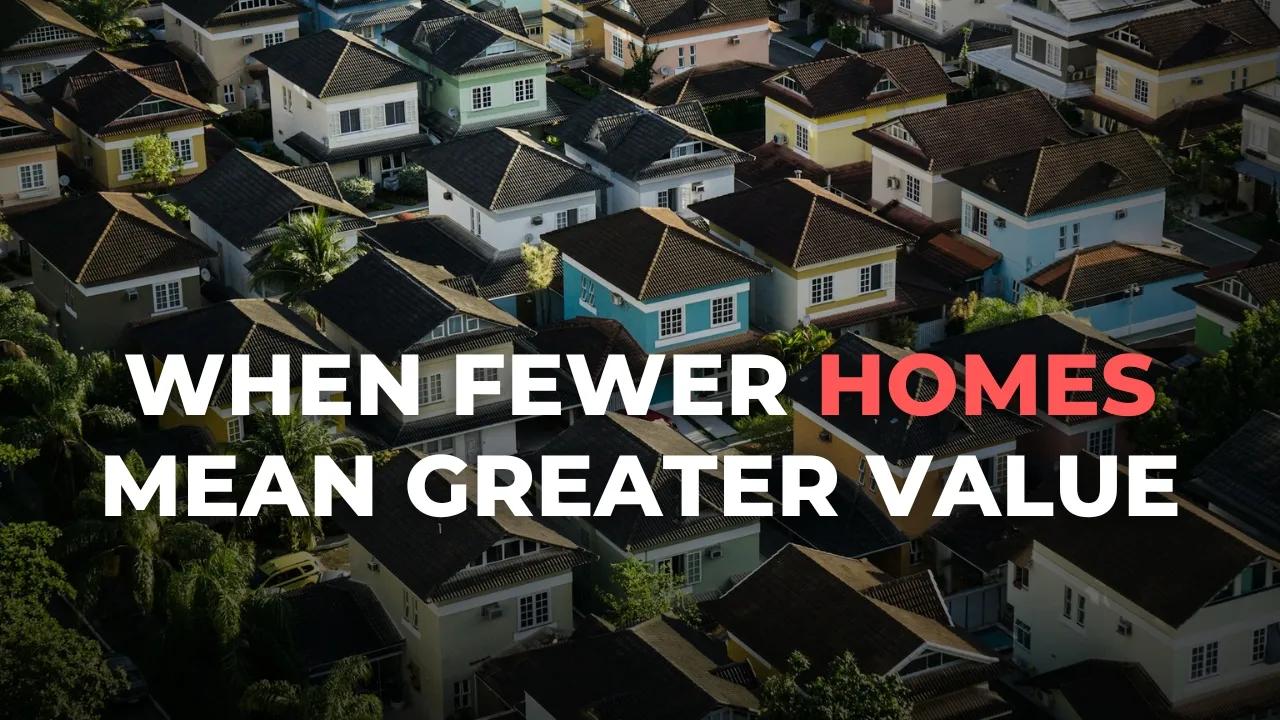

For decades, real estate value has often been associated with scale, more towers, more units, and higher density. Large residential communities were seen as symbols of growth and opportunity. However, modern homebuyers are beginning to rethink this equation. Today, the idea that fewer homes can create greater value is gaining momentum, especially among those who prioritize quality of life over the sheer number of units.
This shift reflects the growing appeal of low-density living, an approach that emphasizes space, privacy, and thoughtful planning over crowded developments. It is not just a passing trend, but a meaningful shift in how people define comfort, luxury, and long-term value in real estate.
What Does Low-Density Living Mean?
Low-density developments are designed with fewer homes spread across a given area of land. Instead of maximizing the number of units, these communities focus on creating open spaces, better infrastructure, and a more balanced living environment.
Unlike high-density projects where buildings are closely packed, low-density layouts offer wider roads, more greenery, and significantly less congestion. The result is a living experience that feels calm, breathable, and more connected to nature. This approach is particularly appealing in urban and semi-urban regions where overcrowding has become a common challenge.
The Value of Space Beyond Walls
When fewer homes share the same land, each resident benefits from more than just their private space. The surrounding environment becomes an extension of the home. Open areas, landscaped zones, and recreational spaces remain accessible and enjoyable rather than overused and crowded.
Even when apartment sizes are similar, the overall experience feels larger and more comfortable. This is because value is no longer limited to the square footage within four walls, but is defined by the quality of the entire living ecosystem.
Privacy and Peace of Mind
One of the most compelling advantages of low-density living is the sense of privacy it offers. With fewer residents in the community, there is less noise, reduced foot traffic, and fewer disturbances. Homes feel more personal and less intrusive.
In today’s world, where homes often double as workspaces and relaxation zones, this level of peace becomes essential. A quieter, less crowded environment supports better mental well-being and allows residents to truly unwind and recharge.
Better Infrastructure, Less Strain
High-density developments often experience pressure on shared infrastructure. Facilities like parking, water supply, elevators, and common amenities can become overburdened when too many residents depend on them.
In contrast, low-density communities distribute these resources among fewer people, leading to smoother daily living. Residents experience less waiting, better maintenance, and more consistent access to shared facilities. Over time, this reduced strain helps preserve the quality and efficiency of the development.
Stronger Community Living
Interestingly, having fewer homes does not mean reduced social interaction. In fact, it often leads to stronger community connections. With a smaller group of residents, interactions become more meaningful and familiar.
Neighbors are more likely to know each other, creating a sense of trust and belonging. Community spaces feel welcoming rather than crowded, encouraging organic interactions while still maintaining personal privacy.
A Smarter Investment Perspective
From an investment standpoint, low-density developments often hold strong appeal. The exclusivity associated with fewer units can increase demand among buyers seeking premium, well-planned living spaces.
Additionally, better-maintained infrastructure and less wear and tear contribute to long-term property value. As buyer preferences shift toward quality and livability, such developments are likely to see steady appreciation and sustained interest in the market.
The Shift in Homebuyer Mindset
Today’s homebuyers are more aware and intentional in their choices. Instead of focusing solely on price per square foot, they are considering how a home supports their lifestyle. Factors such as open space, privacy, ventilation, and overall community density are becoming key decision drivers.
Recent global experiences have also highlighted the importance of living in less crowded environments. Buyers are now seeking homes that offer comfort not just indoors, but throughout the entire community
Redefining Value in Real Estate
The traditional belief that more units equals more value is gradually being replaced by a more thoughtful perspective. True value lies in how well a space is designed, how efficiently it functions, and how comfortably it supports everyday life.
At Jayan Homes, this philosophy shapes every development. By focusing on low-density planning, we create living spaces that prioritize openness, comfort, and long-term sustainability. Each project is designed to ensure that residents enjoy not just a home, but a complete lifestyle experience where space and quality come together seamlessly.